Category: food in fashion

  • How the Flavors You Love Influence Your Style More Than You Think

    There is a reason flavors linger in memory long after they leave the palate. They carry emotion, warmth, nostalgia, and mood – qualities fashion has always tried to capture but often struggles to articulate. Yet today, a quiet shift is unfolding: style is beginning to borrow the language of taste. We’re no longer merely dressing in colors; we’re dressing in sensations- in the calm of match, the radiance of lemon, the romance of strawberry, the grounded warmth of chocolate.

    Why Flavor Has Become Fashion’s New Vocabulary

    Food possesses an immediacy that traditional colour theory lacks. Matcha green doesn’t simply read as muted; it reads as composed. Latte tones aren’t beige — they are quiet, creamy, and intentionally understated. Tiramisu browns don’t just sit on the palette; they evoke layered softness, a kind of whispered luxury.
    Flavour carries an emotional precision fashion has begun weaving into fabrics, silhouettes, and styling. What began as playful parallels on social media now reflects a deeper truth: people gravitate to the tastes that mirror their internal rhythms.

    Serving chocolate chic

    The Aesthetic Personalities Behind the Flavors

    The matcha dresser gravitates toward serenity — soft greens, crisp lines, and disciplined subtlety. Tiramisu and latte dressers lean into creamy neutrals and warm, quiet luxury. The lemon dresser brings clarity and brightness, while the chocolate-brown devotee prefers grounded elegance. The tomato-girl aesthetic, with its sunlit reds and linen textures, captures a Mediterranean warmth that feels effortless. The “food core” personas echo these flavors with deeper nuance: strawberry evokes tender romanticism, vanilla channels serene minimalism, blueberry leans toward cool-toned ease, and cherry embraces playful boldness. These identities endure because they communicate emotion instantly — without needing explanation.

    Chic in Tomato Red.

    How Taste Shapes Style More Deeply Than We Realize

    Our relationship with taste is intimate. Flavour is memory, instinct, and emotion — and it guides our aesthetic impulses more than we recognise. Those who love Italian cuisine often gravitate to warm neutrals, terracotta tones, and relaxed elegance. Admirers of Japanese food reflect its restraint through clean lines and balanced silhouettes. Enthusiasts of Korean flavours express soft palettes and polished layering, while devotees of French patisserie favour pastels and refined femininity.

    Meanwhile, lovers of Indian and Middle Eastern cuisines often choose vivid colours, intricate patterns, and expressive ornamentation. These parallels exist because taste shapes what feels comforting, fresh, or exuberant — and fashion becomes the canvas that translates those sensations visually.

    Tasting the World through Fashion.

    Snackable style isn’t a trend; it’s a quiet revelation. It recognises that the flavours we return to — calm, sweet, bright, grounded — are the same qualities we dress ourselves in. Fashion, after all, is not just what we wear; it is what we crave.

    Read more: https://ourstylesociety.blog/food-in-fashion/

    Written by: Manya,Prapti,Ipsita,Adrija,Devika,Lipsa

  • How Food Waste is Becoming the Fashion Industry’s Newest Luxury Material

    Citrus peels, coffee grounds, cocoa shells, and apple cores – these discarded byproducts are no longer waste. They’re becoming luxury fashion’s most innovative materials, answering the industry’s urgent question: How can we create beauty without extraction?

    When Waste Becomes a Starting Point

    Fashion has traditionally relied on resource-heavy materials—cotton draining water reserves, synthetics linked to petroleum, and leather demanding intensive processing. Food waste, however, is produced abundantly and constantly. Transforming it into textiles isn’t just sustainable; it’s revolutionary. It transforms the ordinary into the refined, giving discarded matter new purpose.

    Orange Fiber: Citrus Reimagined

    Orange Fiber, the Italian pioneer in citrus-derived textiles, takes discarded orange peels and converts them into a soft, silky cellulose fabric used for tops, dresses, and linings. Salvatore Ferragamo introduced it through an elegant capsule collection, proving that fruit-based fibres can hold their own in luxury fashion. H&M later explored the material in a lightweight top, and Loewe recently partnered with Pyratex to bring citrus textiles into premium ready-to-wear. There’s a quiet charm in wearing fabric born from fruit pulp — fresh, delicate, and unexpectedly sophisticated.

    Orange fiber

     Coffee Fabric — When a Daily Ritual Turns Wearable

    S.Café® transforms used coffee grounds into yarn with odour-resistant, quick-dry, and UV-protective properties. This isn’t fringe innovation — brands like Patagonia, The North Face, Adidas, Timberland, and American Eagle have adopted coffee fabrics in active and casual wear. Coffee is universal, and that familiarity gives the material emotional resonance. The idea that your daily cup can evolve into a garment creates a sense of connection between habit and design.

    Fabric made from coffee


    Cocoa Shell Dye — Rich Chocolate Tones Without Chemicals

    Chocolate production leaves behind heaps of cocoa shells, which can be processed into natural pigments. These dyes produce deep browns, mocha hues, and warm caramel tones without synthetic chemicals. Their richness and warmth make them ideal for luxury palettes. Beyond colour, cocoa dyes carry a story rooted in craft and nature — qualities that often get lost in traditional dyeing processes.

     Apple pomace, the leftover skins and cores from juicing, becomes AppleSkin, a structured vegan leather developed by Frumat. Brands like Tommy Hilfiger have incorporated apple-based materials into accessories, and apple-derived leathers appear across several eco-forward luxury projects. The material’s appeal lies in its texture and origin, a blend of refinement and resourcefulness.

    Apple skin

    Why This Movement Matters

    Food-waste materials don’t feel like compromises—they feel inventive, tactile, and meaningful. They offer fashion something increasingly rare: authenticity through transformation. These materials prove that beauty doesn’t demand extraction; sometimes, it simply needs reinvention. As consumers demand sustainability without sacrifice, food-inspired fabrics represent fashion’s answer: innovation born from abundance, not scarcity.


    Read more: https://ourstylesociety.blog/food-in-fashion/

    Written by: Ipsita, Adrija, Manya, Prapti, Devika, Lipsa

  • From Runway to CafĂ©: How Luxury Brands Are Serving Style

    From Runway to Café: How Luxury Brands Are Serving Style

    Luxury today is no longer just worn — it’s experienced. Across the world, fashion houses are entering the culinary space. They are transforming cafĂ©s and restaurants into immersive expressions of their identity. From Gucci Osteria in Florence to Louis Vuitton’s Le CafĂ© V in Osaka and the elegant Dior CafĂ© in Seoul, taste has become a new form of storytelling – where design meets desire.

    According to Bain & Company (2024), luxury-led hospitality ventures grew by nearly 20% in one year as consumers seek richer, multisensory experiences. Moreover, a study by The NPD Group found that shoppers are 25% more likely to revisit a flagship if it includes a café. This proves that, today, a latte can be as powerful as a logo.

    Gucci: A Whimsical Dining Experience

    At Gucci Osteria da Massimo Bottura, every dish tells a story. Chef Massimo Bottura reimagines Italian classics with bold colours and eccentric flair that mirrors Gucci’s creative spirit. Jewel-toned velvets, vintage prints, and patterned china create an atmosphere that feels like stepping into a campaign shoot.

    For Gucci, dining is far more than a luxury add-on. It acts as a sensory extension of the brand. Even those who may never buy a handbag can still taste the Gucci lifestyle. In other words, the café blurs the line between art and appetite, turning food into a vessel for identity and emotion.

    Louis Vuitton: Craftsmanship Beyond Couture

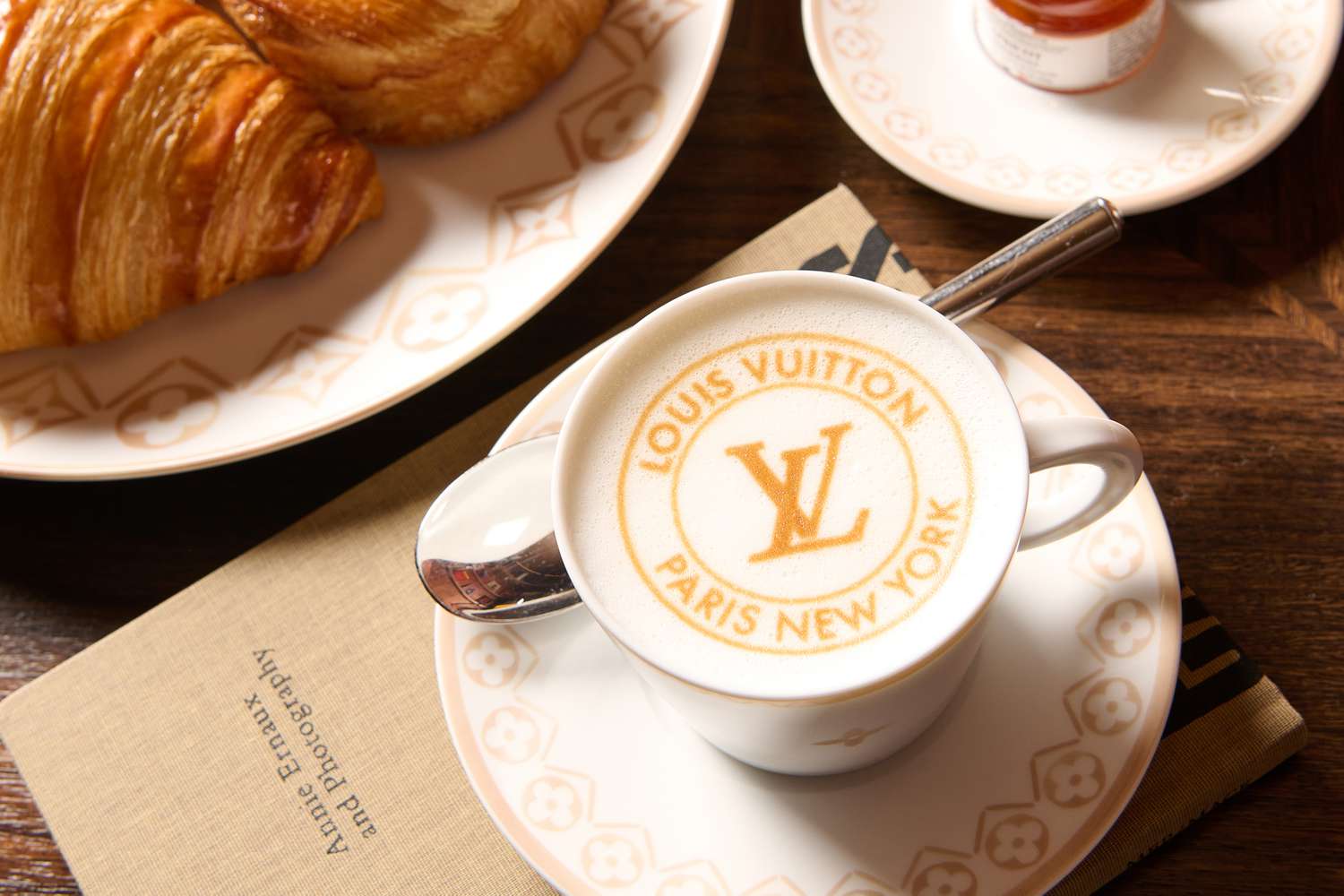
    At Le Café V in Osaka, Louis Vuitton translates its precision craftsmanship into gastronomy. Each dessert is sculptural, and every latte bears the iconic monogram printed with Ripple Maker technology, a small detail that made waves online, generating over 200,000 likes and 1,200 comments in 24 hours.

    In addition, minimalist interiors and meticulous presentation reflect the maison’s values of refinement and elegance. As a result, visitors experience a serene retreat where they can savour the brand’s artistry. As Drink Ripples noted, it’s “luxury for the price of a coffee”, which is a simple yet powerful connection between couture and culture.

    Dior: Elegance You Can Taste

    At the Dior Café, refinement takes an edible form. Toile de Jouy wallpaper, delicate pastries, and cappuccinos topped with the Dior logo capture the maison’s signature grace. The space is elegant, feminine, and perfectly photogenic. Consequently, it has become a social media favourite, reinforcing Dior’s blend of heritage and modern appeal.

    Each visit becomes part of Dior’s narrative, turning customers into participants rather than observers.

    A New Kind of Luxury

    From Prada Caffè to Ralph’s Coffee, fashion’s foray into food reflects a shift in how luxury is defined. As Design & Merchandising Magazine notes, cafés are no longer just revenue streams – they are tools for connection. Food offers accessibility and a taste of a brand’s world for the price of a drink. At the same time, it drives loyalty and creates shareable moments.

    Ultimately, luxury today is less about possession and more about participation. Whether it’s Gucci’s whimsy, Louis Vuitton’s precision, or Dior’s elegance, the message is clear: true luxury isn’t only what you wear – it’s what you feel, share, and savour.


    Read More : https://ourstylesociety.blog/food-in-fashion/

    Written by:Prapti,Devika,Ipsita,Manya,Lipsa,Adrija

  • How Food Imagery Is Transforming Luxury Fashion Marketing

    Luxury fashion marketing is changing in a big way. Food imagery is now a key part of many creative campaigns. This trend has become one of the most exciting developments in recent years. From Saint Laurent’s poetic bread photos to Jacquemus’s fruit-filled visuals. The brands aren’t just selling clothes, they’re selling a lifestyle where food becomes the ultimate accessory.

    When fashion becomes edible

    Sensory Marketing and the Psychology of Taste

    Today’s fashion brands leverage sensory marketing by integrating food imagery. When viewers see sumptuous foods alongside fashion, they subconsciously imagine the flavors and tactile sensations. This creates a multi-sensory experience that draws them deeper into the brand story.

    Dressing up your appetite: because luxury is best served with style

    Emotional Connection and Relatability

    Food helps make luxury brands feel more open and easy for everyone to relate . While high fashion often seems out of reach, food is universal; everyone understands the satisfaction of a perfect meal. Brands like Saint Laurent use food to evoke nostalgia. They create emotional memories through this connection. Psychologists call this phenomenon “embodied nostalgia”. This approach goes beyond standard visuals. Consequently, it triggers deeper emotional responses, creating long-lasting brand impressions. 

    Saint Laurent’s embodied nostalgia

    Social Media and the Visual Appetite

    The integration of food goes beyond being just a trend. It is a lasting change in how brands connect with people. It engages their senses and emotions, creating deeper and more meaningful experiences. Platforms like Instagram have amplified the power of food imagery in fashion. Both fashion and food flourish as aspirational, highly shareable, and seasonally relevant content. Users consume these images primarily through visual means, which blurs the boundaries between craving and want. This process inspires individuals to seek out others with similar tastes and lifestyle preferences.

    New Directions in Luxury Branding

    In times of economic uncertainty, food-filled campaigns offer escapism and signal abundance. As cultural capital evolves, knowledge of artisans foods and sustainable practices has become a new luxury currency. As fashion brands embrace food imagery, they transform their marketing language. This shift results in campaigns that are more memorable, emotionally resonant, and culturally sophisticated.

    Fashion brands are increasingly using food as the language of luxury. This makes their campaigns more memorable, emotionally resonant, and culturally aware. The shift shows a deeper understanding of modern audiences’ desires. These include connection, sensory delight, and stories that nourish both body and soul.

    Read More : https://ourstylesociety.blog/food-in-fashion/

    Written by:Adrija,Ipsita,Lipsa,Devika,Manya,Prapti

  • How Holiday Food Inspires the Fashion We Love

    Festive Food & Fashion: A Visual Feast

    Festivals across the world share a universal rhythm, celebration, gratitude, and connection. Yet, each culture expresses that joy in its own beautiful way. Diwali in India and Thanksgiving in the United States are different in origin. However, they are united by their devotion to family, food, and fashion. Both transform dining tables and wardrobes into canvases of colour, texture, and expressions of cultural identity.

    Diwali: Gold, Shimmer, and Sweetness

    Diwali, the festival of lights, celebrates the triumph of good over evil. The festive table glows with traditional sweets. Motichoor laddoos, kaju katli, and gulab jamun create a visual feast of gold, amber, and crimson hues.

    This radiance translates directly into fashion. Women dazzle in sarees with intricate zardozi embroidery. They wear lehengas with mirror work and anarkalis adorned with sequins. The sequins shimmer like festival lights. Men embrace silk kurtas in festive brights. They choose colors like mustard, rust, and wine red. They also wear embroidered sherwanis, which honor tradition with contemporary tailoring. The 2025 trends reveal metallics and jewel tones dominating wardrobes: deep reds, vibrant golds, royal blues, and rich emeralds.

    Diwali’s golden feast meets vibrant festive fashion

    Gold-toned fabrics behave like molten metal under lights, creating fluid movement that echoes the glossy finish of sugar-glazed sweets. The intricate embroidery mirrors the detailed artistry of sweet-making, where precision creates edible masterpieces.

    Thanksgiving: Harvest Warmth and Comfort

    Thanksgiving, celebrated in November, embraces autumn’s transition. The feast consists of roasted turkey, cranberry sauce, and pumpkin pie. It paints a color story of burnt orange, amber, and cinnamon brown that reflects the harvest season.

    Fashion mirrors this palette precisely. The dominant colors burnt orange, mustard yellow, burgundy, and chocolate brown directly reference the Thanksgiving table. Women opt for chunky knit sweaters, corduroy skirts, plaid flannels, and flowing midi dresses in velvet and cashmere. Men embrace flannel shirts, cable-knit sweaters in autumn hues, and wool blazers.

    Where Diwali glimmers, Thanksgiving wraps. The textures wool, corduroy, chunky knits prioritize tactile comfort, mirroring hearty Thanksgiving dishes where satisfaction comes from depth and layering.

    Food as Fashion Language

    Festive food and fashion extend beyond color coordination both communicate cultural values through sensory experiences. Diwali’s silk, sequins, and mirrors interact with light like ornate sweets. Thanksgiving’s wool and plaid prioritize warmth and comfort. The color palettes reveal philosophies. Diwali’s jewel tones represent abundance and divinity. Thanksgiving’s earth tones connect to agrarian roots and harvest gratitude.

    As cultures blend, modern celebrations feature fusion. Diwali dinners with pumpkin halwa or Thanksgiving feasts with chai-spiced pie. Fashion follows: sequined cardigans with silk skirts, embroidered jackets over turtlenecks. Luxury brands increasingly create versatile collections that transition between cultural contexts while maintaining authenticity.

    Wrapped in the colors of autumn and the warmth of celebration

    Conclusion

    Diwali’s golden shimmer and Thanksgiving’s earthy comfort tell the same story through different aesthetic vocabularies. Spiced sweets inspire jewel-toned fabrics. Pumpkin pies influence rustic palettes. Both festivals show how food becomes wearable aesthetics. The intricate embroidery echoes culinary indulgence. The layered comfort mirrors hearty meals. These details reveal that fashion and food are sister arts. They both nourish different hungers.

    Both festivals ultimately remind us that celebration lives in the details. It is in the warmth of shared meals. It is also in the joy of dressing with meaning.

    View our other blogs: https://ourstylesociety.blog/food-in-fashion/

    Written by:Lipsa,Ipsita,Devika,Prapti,Manya,Adrija

  • Fashion’s New Obsession With Flavor: How Taste Inspires Modern Style

    What if your morning latte and your favourite sweater were part of the same mood board? The creamy warmth of cappuccino beige welcomes you. The rosy tint of strawberry sorbet adds a refreshing touch. Matcha green provides matte calmness today. Color and flavor are blending into one aesthetic language. Designers aren’t just inspired by taste; they’re translating it into texture, creating fashion that looks good enough to eat.

    The Edible Aesthetic: When Food Becomes Fashion

    Designers are increasingly taking cues from the culinary world. This is evident in butter-yellow silk dresses reminiscent of croissants. Macaron pastels also dominate spring collections. Food has become a universal language of pleasure, and fashion is translating that into visual indulgence.

    Brands like Moschino and Dolce & Gabbana have famously toyed with literal food motifs. In their Spring 2018 collection, Dolce & Gabbana transformed vegetables into high fashion. They featured vibrant carrot, turnip, and citrus prints across flowing dresses. Models wore carrot-shaped earrings. They even carried bags filled with fresh produce. These weren’t just whimsical designs. The collection’s rich oranges and deep greens celebrated Sicily’s agricultural heritage. They transformed traditional ingredients into wearable art. This art evoked home, tradition, and the sensory pleasure of both food and fashion.

    Courtesy: Victor VIRGILE/Gamma-Rapho via Getty Images

    Flavor and Fabric: A Shared Language of Texture

    Fashion and food share an obsession with texture that satisfying contrast between soft and crisp, smooth and structured. A chiffon gown drapes like whipped cream. A velvet jacket is as rich as ganache. Both play with this sensory overlap. Even the trend of glossy, puffed outerwear mirrors the sheen of brioche or caramel glaze. Designers aren’t just creating looks; they’re creating sensations that invite us to imagine how style might feel or even taste.

    The Psychology of Flavor and Fashion

    Designers are increasingly inspired by culinary color theory. They believe that colors can trigger emotional and physical responses, much like taste. Studies in color psychology show that warm, organic tones such as turmeric yellow, latte beige, and matcha green evoke feelings of comfort, calm, and familiarity echoing the grounding effect of natural ingredients.

    Meanwhile, vibrant hues like pomegranate red, citrus orange, and berry pink are used to stimulate energy. They bring joy, much like a burst of flavor. These “edible tones” go beyond surface beauty. They symbolize mindfulness and authenticity. They also represent emotional nourishment values that shape both food and fashion today.

    This sensory trend isn’t confined to haute couture. Everyday fashion is also embracing culinary-inspired design. Influencers and brands are playing with food-toned capsule wardrobes like “latte dressing”, “tomato girl summer”, and “vanilla minimalism”.

    Courtesy: Getty Images. Art treatment by Liz Coulbourn.

    These looks are approachable yet emotionally charged. They connect comfort with aesthetic. This creates wearable nostalgia. You get the same satisfaction from it as from a beautifully plated dish or your favourite café moment.

    Fashion, like food, has become a sensory language one that lets us wear flavor, memory, and mood. So next time you reach for your latte or your favorite sweater, notice the flavors behind your style. After all, today’s most delicious looks aren’t just seen; they’re felt.


    Read More : From Gold to Harvest: How Festival Food Inspires Fashion Trends

    Written by:Devika,Ipsita,Lipsa,Adrija,Prapti,Manya